


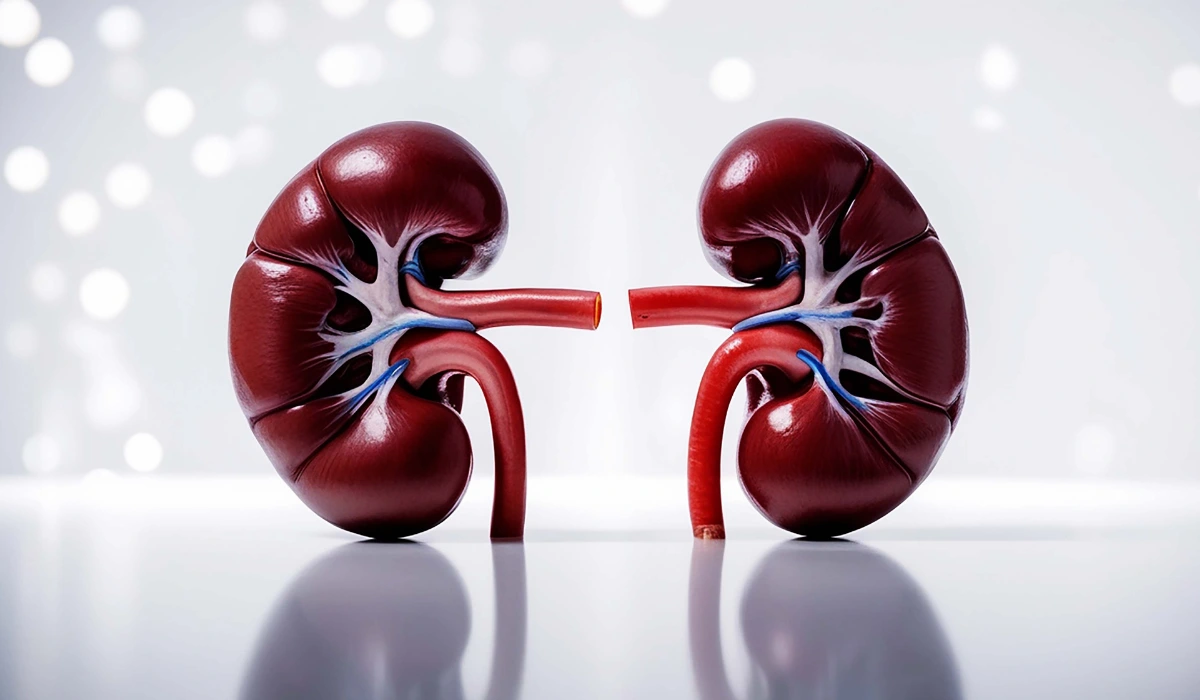
Kidney stone disease is one of the most common urological disorders worldwide. Approximately 50% of people who have passed a stone once will develop another stone within 5 years. Therefore, not only stone treatment but also prevention of stone formation is of great importance. At Urohealth Clinic, we explain how individuals prone to stone formation can reduce this risk through lifestyle changes.
1. Drink Plenty of Fluids: The Simplest but Most Effective Measure
The most important cause of stone formation is an increase in the mineral concentration in the urine. The most effective way to prevent this is to drink at least 2.5–3 liters of water a day.
- Drinking water dilutes the urine, preventing the precipitation of stone-forming substances.
• Color indicator: Light straw-colored urine is a sign of adequate hydration.
• Especially in hot weather, after exercise, or when fluid loss increases due to sweating, water intake should also be increased.
Remember: Not only water, but also unsweetened herbal teas contribute to fluid intake; however, cola, carbonated drinks, and excessive caffeine should be avoided.
2. Balanced Nutrition
Reduce Salt Consumption
Excessive salt intake increases calcium excretion from the kidneys, facilitating stone formation. Daily salt intake should not exceed 5 grams (1 teaspoon). Processed foods, pickled and canned products should be avoided.
Limit animal protein.
Foods high in protein, such as red meat, organ meats, and shellfish, increase uric acid production. Weekly meat consumption should be limited, and plant-based proteins should be preferred.
Do not restrict calcium intake.
Although it was previously thought that calcium caused kidney stones, dietary calcium intake can actually reduce the risk. Low calcium intake increases oxalate absorption in the intestines, raising the risk of stones. Sources such as milk, yogurt, and cheese should be consumed in moderation.
3. Be careful with foods containing oxalates.
Oxalate is a substance that occurs naturally in many plant-based foods. When consumed in excess, it can combine with calcium to form calcium oxalate stones.
Some foods rich in oxalates:
• Spinach, chard, beetroot
• Tea, coffee, cocoa
• Walnuts, almonds, hazelnuts
• Chocolate
These foods are not completely forbidden, but they should be consumed in moderation and often paired with calcium-rich foods.
4. Urinate regularly.
Prolonged retention of urine in the bladder creates a predisposition to stone formation.
• Not holding your urine throughout the day,
• Urinating every 3-4 hours,
• It is important not to delay urinating when you feel the urge at night.
5. Weight Management and Exercise
Obesity, metabolic syndrome, and diabetes increase the risk of kidney stones. Regular exercise supports kidney function, balances blood pressure, and reduces the risk of stones by increasing urine flow. Walking for at least 30 minutes a day is a natural defense against stone formation.
6. Caution Regarding the Use of Medications and Supplements
• Excessive vitamin C supplementation (>1000 mg per day) may increase oxalate formation.
• Unnecessary vitamin D intake increases calcium excretion.
• Long-term diuretics or calcium-containing medications should not be used without medical supervision.
7. Regular Checks
Individuals who have had kidney stones, even if they are completely stone-free, are advised to have a urological check-up at least once a year. Urine and ultrasound examinations allow for the early detection of potential stones.
Conclusion
Kidney stone disease can be controlled not only with treatment but also with proper lifestyle measures. Regular fluid intake, a healthy diet, and regular check-ups significantly reduce the risk of stones.
At Urohealth Clinic, we are here to support you with early diagnosis, prevention, and personalized follow-up programs for kidney stones. Small steps make a big difference towards healthy kidneys.


