


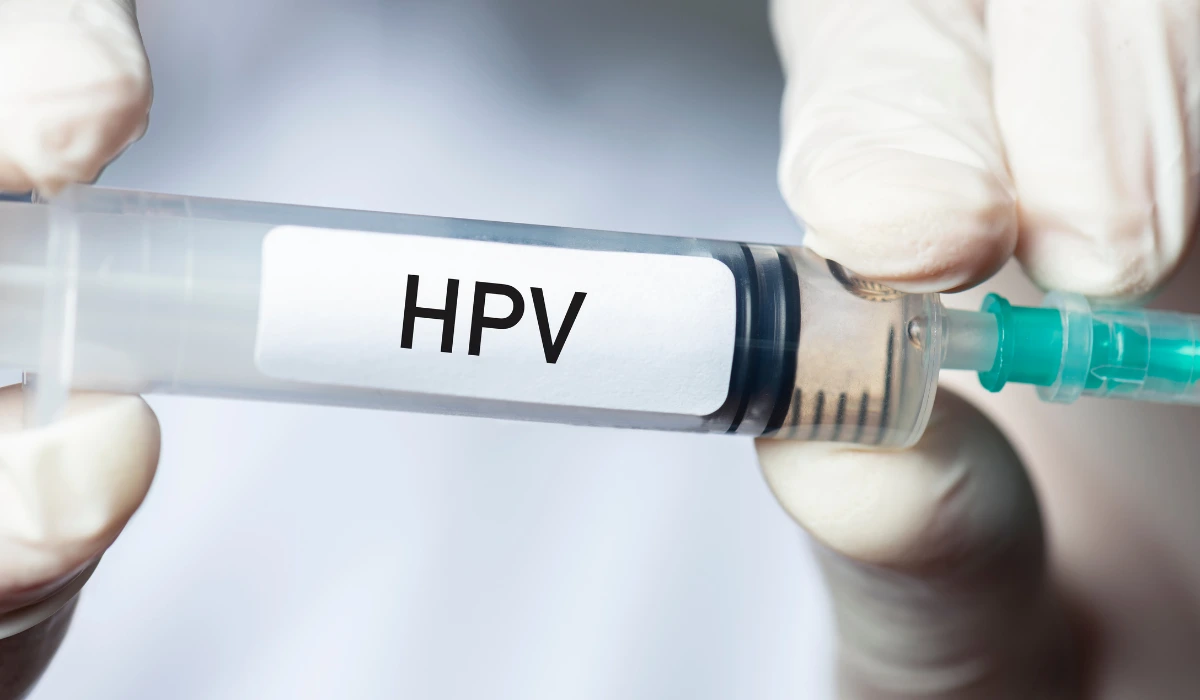
Everything You Need to Know About Human Papilloma Virus
HPV (Human Papilloma Virus) is one of the most common sexually transmitted infections. According to the World Health Organization, approximately 80% of sexually active individuals will encounter HPV at some point in their lives. Most of the time, the immune system eliminates the virus; however, in some cases, persistent infections develop, which can lead to serious health problems. This is precisely where… HPV vaccineIt stands out as the most powerful weapon in self-defense.
What is HPV?
HPV is a family of viruses with more than 200 different types. Some of these types can cause genital warts (condylomas), while others can cause cancers of the cervix, penis, anus, vagina, and throat. HPV types are generally classified into two groups:
- Low-risk HPV types: It often leads to genital warts (e.g., HPV 6 and 11).
High-risk HPV types: It is associated with cancer development (e.g., HPV 16 and 18 are responsible for 70% of cervical cancers).
What is the HPV Vaccine?
The HPV vaccine is a protective vaccine that provides immunity against the most common and dangerous types of HPV. It contains particles of the virus, but these particles are non-pathogenic. This allows the immune system to recognize the virus and neutralize it if it is encountered again in the future.
There are three types of HPV vaccines currently in use:
- Bivalent vaccine (Cervarix®): It protects against HPV 16 and 18.
- Quadrivalan vaccine (Gardasil®): It protects against HPV 6, 11, 16, and 18.
- Nonavalent vaccine (Gardasil 9®): It provides protection against HPV types 6, 11, 16, and 18, as well as types 31, 33, 45, 52, and 58.
The most comprehensive protection Gardasil 9® presents.
Why is the HPV vaccine administered?
The HPV vaccine was developed to protect both women and men from serious health problems.
- Cervical cancer prevention: HPV is the cause of 99% of cervical cancers. The vaccine significantly reduces the risk of this cancer.
- Prevention of other cancers: It is also associated with cancers of the penis, anus, vagina, vulva, and throat. The vaccine protects against these cancers as well.
- Protection against genital warts: HPV types 6 and 11 are responsible for 90% of warts. The vaccine prevents this risk.
Benefits in terms of public health: Widespread vaccination reduces the spread of HPV infection in the community and, in the long term, lowers the incidence of cancer.
Who should get the HPV vaccine?
- Children and adolescents:
The World Health Organization and many health authorities recommend that girls and boys be vaccinated against HPV between the ages of 9 and 14. This is because the immune system provides the strongest response at this age, and sexual activity has not yet begun. - Adults:
Anyone up to the age of 26 can get vaccinated. For individuals aged 27-45, vaccination may be determined by a doctor based on their individual risk factors.
The difference for women and men:
The vaccine, previously recommended only for women, is now also recommended for men. This is because men also face a risk of HPV-related cancer and warts, and vaccinating men is critical to breaking the chain of transmission.
How many doses of the HPV vaccine are given?
- Ages 9–14: 2 doses (6 months apart)
- Ages 15 and over: 3 doses (at 0, 2 and 6 months)
Completing the doses increases the protective effect.
Is the HPV Vaccine Safe?
The HPV vaccine has been administered to millions of people since 2006 and its safety has been proven time and again. Side effects are generally mild.
- Pain, redness, or swelling at the injection site
- Mild fever
- Headache, weakness
The risk of serious side effects is extremely low. Health authorities (WHO, CDC, FDA) consistently confirm that the HPV vaccine is safe.
What precautions should be taken after receiving the HPV vaccine?
- It is beneficial to wait 15 minutes in the clinic after the vaccination (to prevent fainting).
- The dosage schedule should not be interrupted.
Vaccine, It does not replace regular smear tests.. Women should not neglect their gynecological check-ups even after vaccination.
Frequently Asked Questions (FAQ) About the HPV Vaccine
- Can the HPV vaccine be administered after becoming sexually active?
Yes, it can be done. However, doing it before exposure to the virus provides the most effective protection. - Is the risk of contracting HPV zero after getting vaccinated?
No. The vaccine protects against the most common and dangerous types, but not all HPV types. However, it significantly reduces the risk of cancer. - Is the HPV vaccine necessary for men as well?
Absolutely yes. HPV-related cancers and warts can also occur in men. Furthermore, vaccinating men helps protect women as well. - I got vaccinated, do I still need to have a smear test?
Yes. Although the vaccine is very effective, regular Pap smear tests are still necessary for early detection.
5. Can the HPV vaccine be given during pregnancy?
No. It is not recommended during pregnancy. Doses should be postponed until after pregnancy.
Conclusion
HPV is one of the most common sexually transmitted infections of our time and can lead to serious health problems, including cancer.. HPV vaccineThis is the strongest protection we have against these risks. When applied early and correctly, it has the potential to significantly reduce the cancer burden on society.
You can also consult with a specialist doctor to learn about the HPV vaccination program that is right for your age and health condition.


